Views: 0 Author: Site Editor Publish Time: 2026-09-01 Origin: Site
For an industrial bakery, food hygiene and process control are not separate management topics. A production line that is easy to clean but cannot control dough temperature, proofing or baking may still create inconsistent products. Conversely, a highly automated line that is difficult to inspect or sanitize may increase food-safety risk. A reliable bakery system must address both sides of the operation.
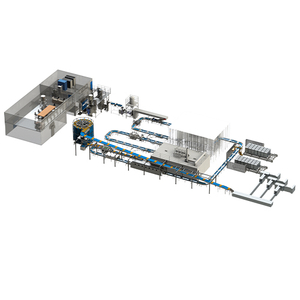
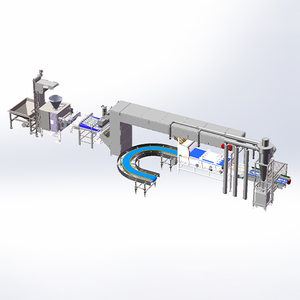
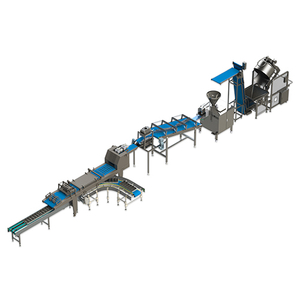
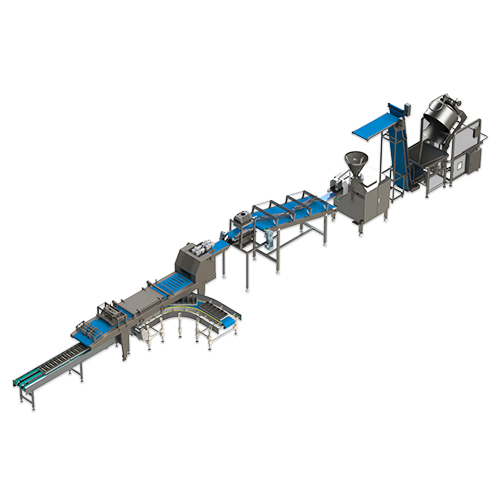
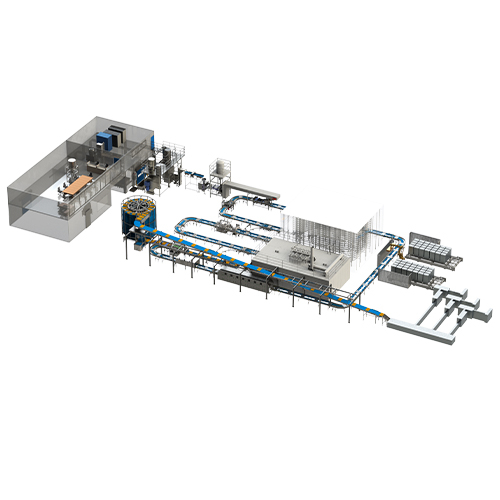
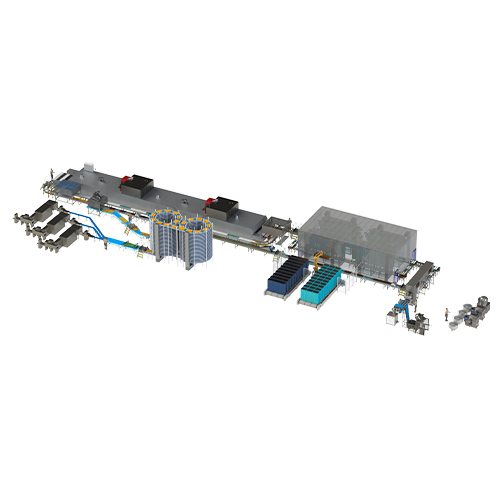
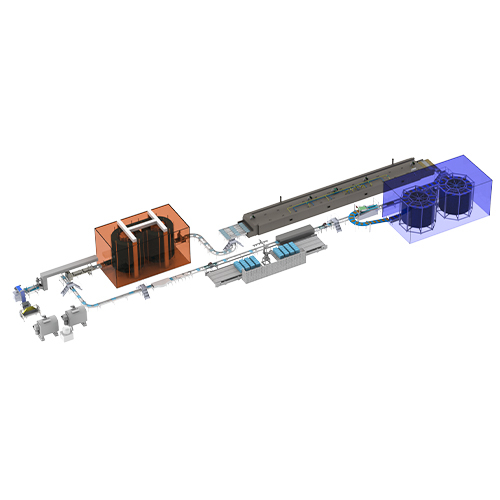
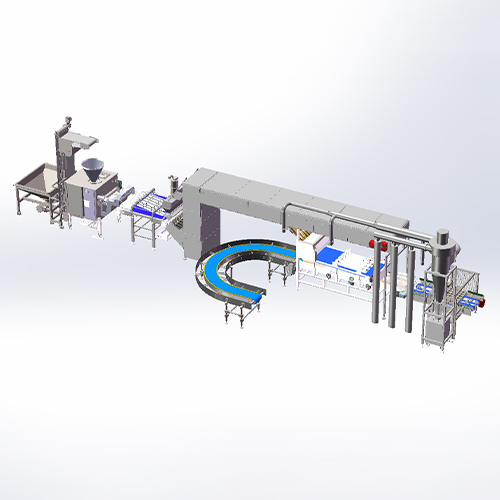
The AOCNO bread production line is presented as an integrated solution covering raw-material handling, mixing, dividing, rounding, moulding, proofing, baking, cooling, slicing and packaging. This guide explains how an AOCNO bread production line can help improve hygiene and process control, what buyers should verify before purchase, and how to turn equipment capabilities into a measurable food-safety and quality-management program.
Bread manufacturing includes multiple stages at which contamination, process drift or quality variation can occur. Raw materials may be incorrectly handled. Dough can remain on contact surfaces. Manual transfer can introduce additional touchpoints. Unstable proofing can affect fermentation and product volume. Uneven baking can change moisture, color and internal structure. Inadequate cooling can create packaging problems.
For an industrial bakery, the practical objective is to control hazards and variation at each process stage.
Manual handling creates additional opportunities for contamination and variation. AOCNO describes automatic lines that connect major stages from raw-material handling through packaging. A coordinated process can reduce unnecessary handling and provide a defined route for the product.
The goal is to ensure that human intervention occurs at controlled points rather than through continuous, undocumented handling.
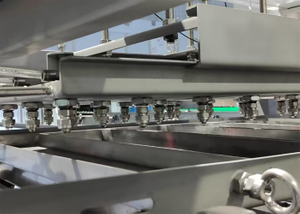
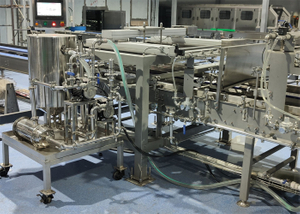
Materials and physical design influence how effectively equipment can be cleaned, inspected and maintained. A food-contact surface should be suitable for the intended environment, resistant to the cleaning regime and accessible for routine inspection. Open areas and removable parts can help sanitation teams identify residue that might otherwise remain hidden.
AOCNO states that core food-contact components in its automatic bread production lines use SUS304 food-grade stainless steel. Stainless steel is useful for durability and cleanability.
Process control begins before mixing. Incorrect ingredients, inaccurate dosing or unrecorded substitutions can create food-safety, allergen and quality problems.
AOCNO describes industrial mixing systems that can manage water dosing and mixing according to preset recipes. The bakery should define an approved recipe for each product, including ingredient identity, quantity, addition sequence, water temperature, mixing speed, mixing time and target final dough temperature.
Dough dividing and forming affect product weight, shape, proofing behavior, baking performance and packaging. Inconsistent portions may create underweight or overweight products, while irregular shapes can lead to uneven proofing and variable finished quality.
AOCNO describes volumetric and vacuum-screw dividing technologies, dough dividers, rounders and moulders intended to support repeatable dough handling. The purchasing specification should define target dough weight, tolerance, product dimensions, production speed, sampling frequency and measurement method.
Proofing affects volume, crumb structure, surface condition and production timing. Temperature, relative humidity, residence time and airflow must be controlled according to the product and recipe. Condensation, local temperature differences or unstable airflow can create uneven fermentation and quality variation.
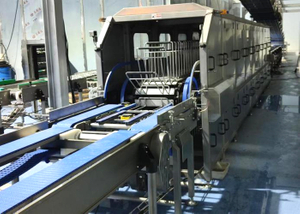
AOCNO describes continuous proofing systems with controlled temperature and humidity, closed conveying environments, chain conveyors and airflow management. These features are intended to support a more stable environment between forming and baking.
For process control, the bakery should define the following for each product: target temperature, relative humidity, residence time, conveyor speed, acceptable dough condition and response to deviations. For hygiene, it should assess condensation control, cleaning access, drainage, inspection points and the risk of residue accumulation.
Baking is a critical process-control stage because heat, steam, time and airflow influence crust development, moisture and internal structure. A line may produce inconsistent bread if the oven is overloaded, the conveyor speed changes or temperature varies between zones.
AOCNO describes industrial tunnel ovens with independent multi-zone temperature control, top-and-bottom heat management, steam injection and hot-air circulation.
Post-bake handling can affect both product safety and quality. Bread may be exposed to equipment surfaces, air, personnel and packaging materials after leaving the oven. If cooling is incomplete, moisture may condense inside the package. If depanning or conveying is too aggressive, product damage can increase.
AOCNO describes automatic depanning and spiral cooling systems intended to transfer baked bread and bring it toward suitable packaging temperatures. Cooling and slicing areas should be included in the sanitation zoning plan, because post-bake product may be particularly vulnerable to recontamination.
Automation reduces some manual contact but does not remove personnel-related risks. Employees can transfer contaminants through hands, clothing, tools, footwear or movement between raw-material and finished-product areas. Effective zoning and personnel practices are therefore essential.
Where products contain allergens, changeover management becomes especially important. The line, contact parts, tools and packaging area should be included in an allergen-control procedure. AOCNO equipment may support the physical process, but the bakery must establish and validate its own allergen-cleaning and release criteria.
An AOCNO bread production line can support improved hygiene and process control through integrated automation, reduced uncontrolled handling, food-contact materials, accessible equipment design, controlled proofing, multi-zone baking, automated cooling and PLC-based operation. These capabilities can help industrial bakeries create a more repeatable and auditable manufacturing process.
Please feel free to contact us if you would like more information about our products.
How can an AOCNO bread production line improve bakery hygiene?
AOCNO describes integrated automation, reduced manual handling, SUS304 stainless-steel food-contact components, open-frame access, sealed controls and quick-disassemble parts. These features can help reduce uncontrolled contact and improve inspection and cleaning access. The bakery must still operate a documented sanitation program and verify its effectiveness.
Does an AOCNO production line automatically guarantee HACCP or FDA compliance?
No. Equipment can support a HACCP- or GMP-based food-safety system, but it does not independently guarantee regulatory compliance. Compliance depends on the complete installation, facility, procedures, personnel practices, records, validation and destination-market requirements. FDA CGMPs address areas including hygiene, equipment, sanitary operations and process controls.
What food-contact material does AOCNO describe for its equipment?
AOCNO states that core food-contact components use SUS304 food-grade stainless steel, including examples such as dough bowls, mixing hooks, divider hoppers and conveyor surfaces. Buyers should request the specific material documentation and applicable declarations for the final project configuration.
How does process automation improve bread quality?
Automation can make ingredient dosing, dough handling, proofing, baking, cooling and transfer more repeatable. AOCNO describes recipe-based mixing, controlled proofing, multi-zone tunnel ovens and integrated conveying. The resulting performance must be validated under the buyer’s actual recipes, products and operating conditions.
Can AOCNO equipment reduce manual contamination risks?
Integrated automation can reduce unnecessary manual touchpoints between process stages. AOCNO describes end-to-end automation from raw-material handling to packaging. It does not eliminate all human contact or guarantee a specific percentage reduction. Personnel hygiene, zoning, cleaning and operational discipline remain necessary.
Bread Production Limits: How an Automated Bread Line Reaches 100,000 Units per Day
How to Improve Hygiene and Process Control with AOCNO Bread Production Line
How AOCNO Bread Production Line Supports Consistent Output Across Multiple Shifts
What Makes an AOCNO Automation Bread Production Line the First Choice for Food Manufacturers
Should You Buy Individual Bakery Machines or a Complete Production Line?
How To Choose The Right Automatic Bread Production Line for Your Bakery
How Does a Dough Mixer Work in Industrial Baking Production Lines?
Industrial Bakery Ovens:Electric,Gas,or Diesel?A 2026 Comparison By AOCNO
On-Site Installation and Staff Training:What to Expect When Partnering with AOCNO
Add: No.19,Jingwu Road,Anping County,Hebei,China
Whatsapp/Wechat: 0086 15127880005
E-Mail: info@aocno.com