Views: 0 Author: Site Editor Publish Time: 2026-11-10 Origin: Site
For industrial bakeries, bun forming is not controlled by one machine alone. The final shape, weight, height, surface condition, and spacing of a hamburger bun or hot dog roll are influenced by the entire production sequence. Dough delivery, dividing, rounding, intermediate proofing, moulding, conveying, and downstream handling must work together within a defined operating window.
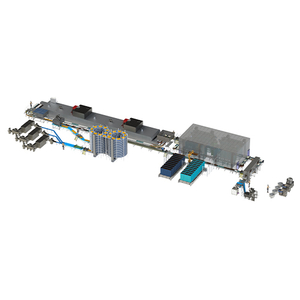
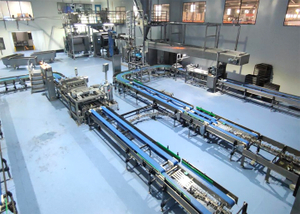
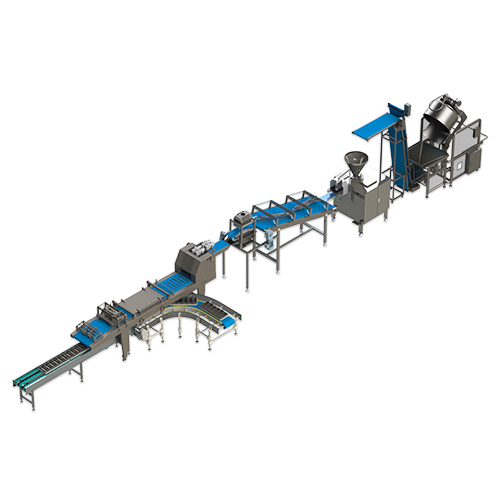
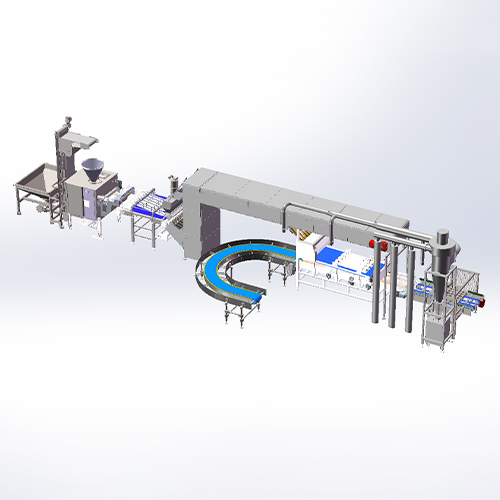
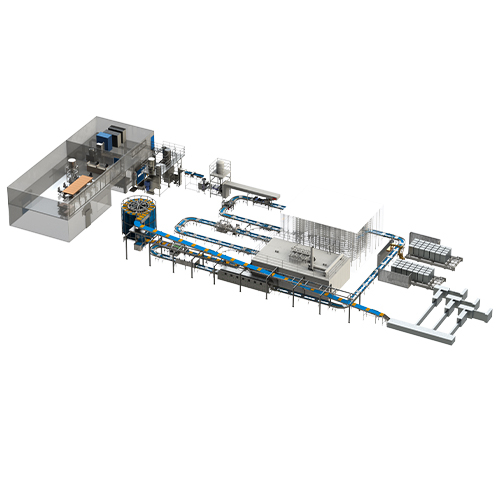
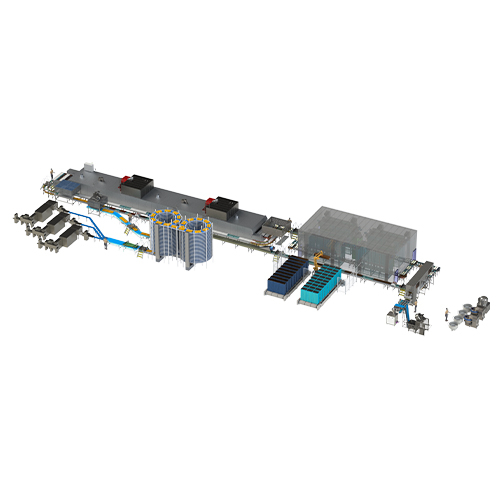
At AOCNO, we design bun production systems around this complete process. Our hamburger and bun make-up configurations can connect dough pumping, belt conveying, multi-channel dividing, rounding, intermediate proofing, and turning conveying into a coordinated line. We also adapt channel quantity, conveying method, automation level, equipment dimensions, and layout to the customer’s product, capacity target, and factory conditions.
A typical industrial bun make-up system includes several linked stages. The exact configuration depends on the bun type, dough formulation, piece weight, target output, factory layout, and downstream process.
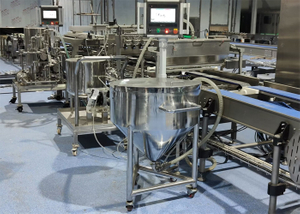
The dough pump and hopper provide the connection between batch preparation and continuous or semi-continuous make-up. AOCNO's bun make-up system includes hopper options in the range of 500–1,000 L, combined with a food-grade belt conveyor for dough delivery to the dividing system.
The purpose of this section is not simply to move dough. It must deliver dough at a stable rate and with controlled handling. If the feed fluctuates, the divider may experience changes in pressure, filling condition, or dough availability. These variations can affect portion weight and the rhythm of the downstream line.
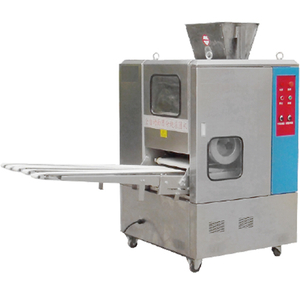
The divider establishes the starting weight of each bun piece. AOCNO provides four-channel and six-channel extruder dough-divider configurations for bun applications.
AOCNO's published configuration lists the following reference parameters:
• Four-channel VE-24000/4: approximately 8,000–28,000 pieces per hour, with a listed cutting range of 26–200 g.
• Six-channel VE-36000/6: approximately 14,000–36,000 pieces per hour, with a listed cutting range of 26–200 g.
A divider cannot compensate for unstable dough preparation. If the dough varies significantly in temperature, hydration, fermentation status, or elasticity, the same mechanical setting may not produce the same result.
Rounding gives each divided piece a more uniform shape and surface before the next process. The chosen rounding method and operating conditions must be matched to the dough formulation, piece weight, target bun geometry, and required surface condition.
If rounding is insufficient, pieces may enter proofing with irregular geometry or visible seams. If the mechanical action is too aggressive, the dough may be overworked, the surface may be damaged, or the dough may lose the desired structure.
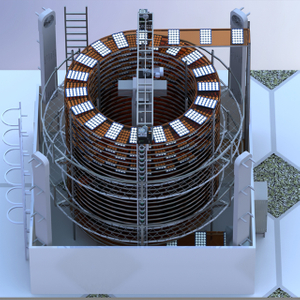
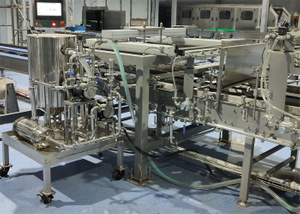
After dividing and rounding, dough pieces often require a short rest or intermediate proofing stage before further forming or handling. AOCNO's configuration includes an intermediate proofer that regulates temperature and humidity to allow the dough to relax evenly and improve the quality of subsequent fermentation or handling.
Intermediate proofing should be controlled through temperature, relative humidity, residence time, product loading, and air movement. If one part of the proofer receives different conditions from another, or if residence time varies because of unstable conveying, bun geometry may differ across lanes or batches.
Ⅱ. How AOCNO's production Line Configuration Supports Bun Weight Consistency
• Stable Feed Conditions:AOCNO provides different hopper capacities and channel configurations so that the feeding and dividing system can be selected according to output requirements and factory conditions.
• Appropriate Piece-Weight Range:AOCNO's listed bun divider configurations cover 26–200 g dough pieces. This range can support product applications such as hamburger buns, hot dog buns, and cross-shaped buns.
• Controlled Operating Speed:The AOCNO four-channel and six-channel configurations provide different rated output ranges. This gives customers a basis for selecting capacity according to demand instead of forcing every project into one speed class.
Industrial bun production often runs across multiple shifts. Without standardized control, each operator may adjust the divider, rounder, proofer, or conveyors differently.
AOCNO provides PLC-based control and touch-screen operation for applicable bakery systems. The controls can coordinate key production stages and provide a common reference for approved recipes and operating parameters.
A useful bun-production recipe record can include:
• dough formula, batch identification, and target dough temperature;
• pump and belt settings;
• divider model, channel quantity, speed, and target piece weight;
• rounding settings and product-contact configuration;
• intermediate proofer temperature, humidity, and residence time;
Automation does not remove the need for trained operators. It reduces uncontrolled adjustment and gives operators a repeatable baseline.
An industrial bun production line supports consistent bun forming when each stage is selected and controlled as part of one balanced system. Stable dough delivery supports the divider. Accurate portioning creates a reliable starting weight. Rounding establishes repeatable geometry. Intermediate proofing allows controlled relaxation. Conveying preserves shape and spacing. PLC-based settings and documented procedures help different operators and shifts follow the same standard.
AOCNO provides bun production-line configurations that integrate dough pumping, belt conveying, multi-channel dividing, rounding, intermediate proofing, and turning conveying.Please feel free to contact our team for more product information.
What is the production capacity of an AOCNO bun production line?
AOCNO lists four-channel bun systems at approximately 8,000–28,000 pieces per hour and six-channel systems at approximately 14,000–36,000 pieces per hour, depending on the selected model and operating conditions.
What dough weight range can the AOCNO bun divider handle?
The listed bun-divider configurations cover approximately 26–200 g dough pieces. The correct operating range and achievable accuracy depend on the model, dough formulation, temperature, feeding conditions, speed, and commissioning results.
Why is intermediate proofing important for bun forming?
Intermediate proofing provides controlled temperature, humidity, and residence time so dough can relax after dividing and rounding. This can improve the repeatability of subsequent handling or fermentation. The correct settings must be validated for each dough formulation and product weight.
Add: No.19,Jingwu Road,Anping County,Hebei,China
Whatsapp/Wechat: 0086 15127880005
E-Mail: info@aocno.com